
Mirrorless Camera: A Worthy Investment for Photography Enthusiasts?
Mirrorless cameras have revolutionised the world of photography, offering a digital experience without the traditional mirror mechanism of SLRs. These cameras are admired for their compact design, potential for superb image quality, and features such as electronic viewfinders that facilitate real-time exposure adjustments.
Photography enthusiasts often weigh the merits of investing in mirrorless cameras despite their higher cost when compared to SLRs. The following sections delve into the technology behind mirrorless cameras and the pros and cons to help readers make an informed decision on whether these cameras are a worthy investment.

Mirrorless cameras, such as the Nikon Z 5 or the Nikon Z 7II are transforming photography with their large sensors and advanced technology, offering image quality on par with SLRs.
Here’s a closer look at their features:
● High Image Quality: Equipped with large sensors, mirrorless cameras capture high- resolution images, rivalling those taken with SLRs.
●Portability: The absence of a mirror mechanism makes them smaller and lighter than SLRs, enhancing portability.
●Electronic Viewfinder (EVF): The EVF provides a real-time preview, complete with exposure adjustments and focus peaking, aiding in capturing better images.
●Video Capabilities: Many models boast superior video features such as 4K recording and advanced autofocus systems, surpassing SLR offerings in this domain.
●Autofocus: Continuous autofocus in mirrorless cameras is more effective at maintaining focus on moving subjects, which is particularly beneficial for action photography.
●Industry Direction: As the camera industry evolves, the development of SLRs is slowing, with mirrorless cameras now leading the way.
Despite their advantages, mirrorless cameras do have some limitations:
● Battery Life: The electronic components, like the EVF, tend to drain the battery faster than SLRs.
● Lens Selection: Although growing, the range of lenses and accessories is not as extensive as that for SLRs.
● Low Light Performance: Some models may struggle in low light conditions compared to SLRs.

When considering a mirrorless camera, it’s essential to weigh factors such as size, weight, autofocus performance, battery life, lens requirements, and budget. Mirrorless cameras like the Nikon Z 6II and the Nikon Z 30 are especially appealing for their compact size, improved autofocus, and the convenience of an EVF. However, handling comfort, the range of available accessories, and battery life are important considerations. With their ability to adapt various lenses and their superior autofocus systems, mirrorless cameras are becoming the preferred choice for many photographers.
Evaluating the Cost-Benefit of Investing in a Mirrorless Camera
When evaluating the cost-benefit of investing in a mirrorless camera, several factors must be taken into consideration:
●Initial Cost: High-end mirrorless cameras often come with a higher price tag than many SLRs. This can be a significant barrier for those just starting out or for photographers satisfied with the performance of their current SLR setup.
● Battery Life: The electronic components in mirrorless cameras, such as the EVF, can lead to a faster battery drain. This might necessitate additional investment in spare batteries, adding to the overall cost.
Lens Selection and Cost:
● While the range of lenses available for mirrorless cameras is expanding, it is still not as comprehensive as that for SLRs.
● The cost of mirrorless camera lenses can be higher, and those looking to build a new lens collection may find this to be a costly endeavour.
● Native lenses tend to offer the best performance, which means investing in brand-specific options rather than third-party alternatives.
Despite these considerations, there are also cost advantages to mirrorless cameras:
● Portability: Their lighter and smaller build makes them more convenient for travel and everyday photography, potentially reducing the need for additional gear.
● Market Trends: Some mirrorless cameras are priced comparably or even lower than equivalent SLRs, making them an attractive option for budget-conscious photographers.
For beginners, the ease of use and simple controls of mirrorless cameras can outweigh the initial investment, offering a user-friendly introduction to photography. It’s crucial to balance these factors against personal needs, preferences, and long-term photography goals when considering a mirrorless camera as a worthy investment.
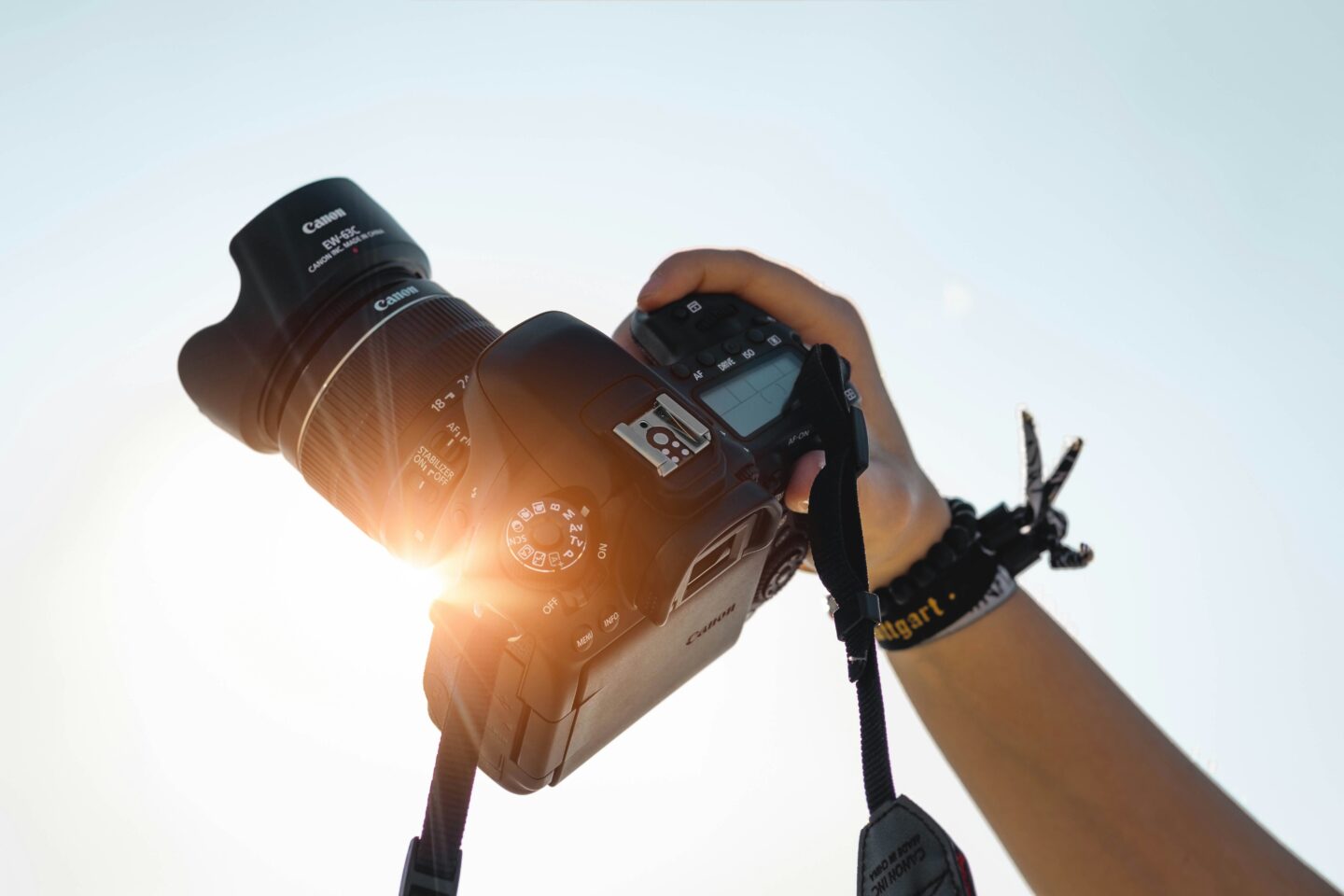
Pros and Cons of Mirrorless Cameras
User experience is paramount when choosing a camera. Many photographers appreciate the solid feel of a SLR and the direct view through the lens, which can be pivotal in their choice. However, mirrorless cameras offer distinct advantages and disadvantages that cater to different preferences and needs.
Advantages of Mirrorless Cameras:
● Portability: Their smaller size and lighter weight make them ideal for travel and on- the-go photography.
● Advanced Video Features: Many models support 4K and slow-motion video , often outperforming SLRs in this aspect.
● Speed: They typically boast faster autofocus and continuous shooting speeds, capturing action shots with ease.
Disadvantages of Mirrorless Cameras:
● Battery Life: The constant use of electronic viewfinders or LCD screens leads to shorter battery life, requiring more frequent charging or spare batteries.
● Lens Selection: Despite improvements, the range of lenses available for mirrorless cameras is not as extensive as for SLRs, which could limit creative options.
● Electronic Viewfinder (EVF): Some photographers may find EVFs less satisfactory than optical viewfinders, particularly in low-light conditions.
Personal preferences play a significant role in the choice between mirrorless and SLR cameras. For those valuing compactness and video capability, mirrorless cameras are compelling. Yet, for users prioritising battery life or a broad lens selection, SLRs might be more suitable. Additionally, the feel of the camera in hand is subjective; some find mirrorless cameras too small, leading to discomfort during prolonged use. Ultimately, the decision hinges on individual requirements and shooting styles.
Conclusion
The evolution of mirrorless cameras marks a significant leap in the realm of photography, blending compactness with powerful imaging capabilities. Through this exploration, we’ve unpacked the various facets that make mirrorless cameras an attractive option for many, from their impressive autofocus systems and portability to their innovative electronic viewfinders. Yet, it’s crucial for enthusiasts to consider the balancing act between the convenience of these cameras and the practical considerations of battery life and lens availability before making this investment.
While mirrorless cameras are increasingly the preferred tool for capturing life’s moments, your decision should reflect a harmony between your photography ambitions and the features that truly matter to you. Whether you’re poised to embark on the mirrorless journey or contemplating an expansion to your current arsenal, the time is ripe to experience the benefits of this modern technology first hand. Embrace the future of photography and consider elevating your creative potential with a mirrorless camera; begin your adventure by exploring our selection.
LoveRosiee
xxx
If you’d like to contribute a guest post, please press here.


2 Comments
Molly | Transatlantic Notes
I do not know nearly enough about cameras and all the different styles and functions. This was a really informative read as I had no idea about mirrorless cameras and what they do, etc. It seems like they have some benefits so I’ll be asking some of my photography friends about what they are using to learn some more!
Intentional Lucie
Thanks for the review, Rosie! I tend to stick with what I know on the camera front, but it’s great to hear an honest review of the mirrorless camera.✨
Intentional Lucie
intentionallucie.com