
Minimalist Living: How to Own Less but Live More
In a world that’s dominated by overconsumption and instant gratification, embracing minimalism could be your journey to freedom. Living with less stress and greater joy benefits our physical and mental health, so it’s always worth proactive change. Adopting a minimalist approach could empower you to live more intentionally and meaningfully. From the décor in your home to the details in your daily routine, here’s why decluttering could be your missing piece.
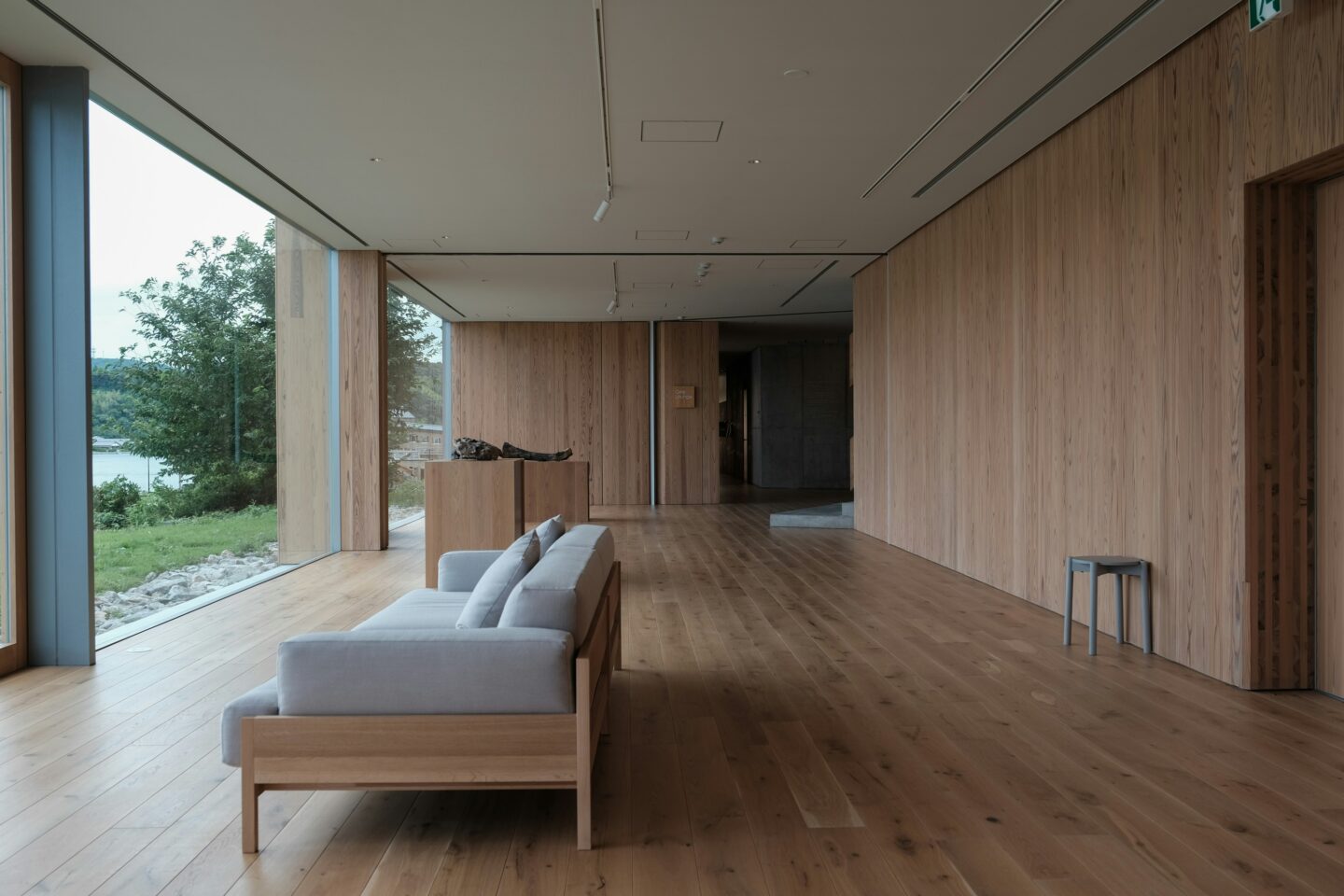
What is minimalist living?
Do you feel overwhelmed by how many things you own? Whether you’re constantly cleaning, organising or trying to keep up with the latest trends, it might be time for a change.
Minimalist living isn’t about deprivation. It’s a deliberate choice to prioritise experiences, relationships, and personal growth over material possessions.
By gradually removing everything unnecessary, you create space for the things that truly enhance your life. Physically, mentally and financially, it’s a mindset shift that can boost your overall wellbeing.
Declutter your space, clear your mind
The first tangible step towards a truly minimalist lifestyle involves decluttering your home. Start small, perhaps with just one drawer or a single shelf, and ask yourself if each item really serves a purpose or brings you joy.
Getting rid of everything that you no longer need or use – whether that’s through donating, selling or recycling – will significantly reduce visual clutter. This can reduce the symptoms of anxiety and improve your ability to focus.
A tidy physical environment often leads to a calmer mental state, giving you a wonderful opportunity to think with purpose and clarity.
Mindful consumption
Try to buy into experiences, not commodities. A core principle of minimalism is intentional consumption.
Before you make a new purchase, pause and think about whether you genuinely need the item. This thoughtful approach can drastically reduce impulse buys and prevent new clutter from entering your life.
Instead of accumulating more ‘stuff’, redirect your attention and resources towards experiences that align with your personal values. These could include foreign travel or learning new skills, especially if you’re a creative.
Spending quality time with loved ones could contribute more to your wellbeing. These create lasting memories and foster a deeper sense of fulfilment than transient material possessions ever could.
Try to invest in things you need or know you will use. For example, an economical vehicle makes the most sense for everyday travel. To make a cost-effective choice, you could buy a second-hand car in your local area, searching specifically for reliable Norwich used cars.
Simplify your digital life
Chaos isn’t limited just to your physical space. Your digital world can be just as overwhelming, especially if you’re someone who usually likes to spend a lot of time scrolling on your devices.
Declutter your digital life by unsubscribing from unnecessary emails and organising your computer files. If you use social media, you can use time limit settings to restrict your content consumption.
Consider setting boundaries for screen time and creating tech-free periods – for example, while you’re unwinding after work. A streamlined digital presence frees up mental energy, giving you greater peace and productivity.
Reclaim your time
By owning less, you often gain more time and money. With a minimalist approach, you’ll spend less time cleaning and organising. You’ll free up hours for hobbies, relaxation, or pursuing personal goals.
And once you’ve lowered your own desire for new things, you can start saving more money. This could give you a level of financial freedom that you’d never thought possible, offering a profound sense of security.
LoveRosiee
xxx
If you’re interested in hosting guest content on my blog, please email me here.
You May Also Enjoy…
5 home protection tips for going on holiday
16 Activities For Bored Toddlers This Summer Holiday
Why Slow Travel is on the Rise for Travellers to Canada
You May Also Like

Picks of the Patch

LoveRosiee is 2!
